Who’s Liable in a Rideshare Accident? Understanding Your Legal Options After an Uber or Lyft Crash in Maryland
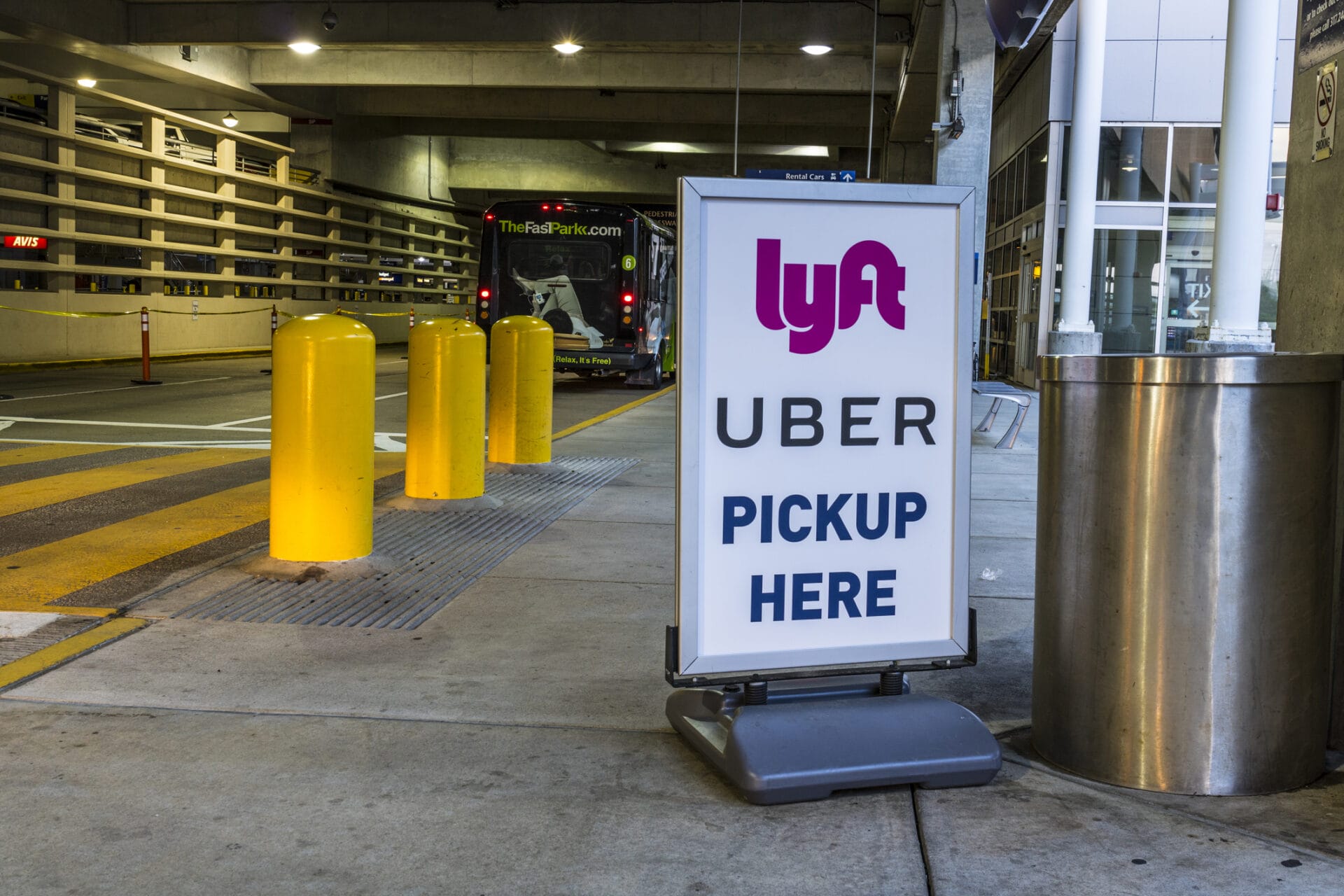
If you’ve been injured in an Uber or Lyft accident in Maryland, you’re probably asking the same question that thousands of other victims ask every year: Who exactly is responsible for my injuries?
The answer isn’t always straightforward. Unlike a traditional car accident between two private individuals, rideshare accidents involve multiple potential liable parties, such as the driver, the rideshare company, other motorists, or even third parties. Understanding who you can hold accountable is the first crucial step in protecting your legal rights and securing the compensation you deserve.
At The Law Offices of Nicholas A. Parr in Baltimore, we’ve helped numerous rideshare accident victims navigate these complex liability questions. This guide will walk you through Maryland’s legal framework and help you understand your options.
The Shifting Landscape of Liability: It’s Not Always Black and White
In a typical car accident, liability usually rests with the at-fault driver’s insurance company. However, rideshare accidents introduce additional layers of complexity due to the “gig economy” nature of Uber and Lyft. These companies classify their drivers as independent contractors, which has significant implications for insurance coverage.
Generally, liability in a Maryland rideshare accident depends on several key factors, primarily what the Uber or Lyft driver was doing at the time of the collision.
How Rideshare Insurance Works in Maryland
Maryland law requires Uber and Lyft drivers to carry specific insurance coverage, but applicability and coverage levels change depending on the driver’s “status” in the app at the time of the accident.
1. Driver is Offline or App is Off (Personal Time)
If an Uber or Lyft driver is not logged into the app and is driving for personal reasons, their personal auto insurance policy is primary. Uber and Lyft’s policies do not apply in this scenario. This is treated like any other car accident.
2. Driver is Logged In and Waiting for a Ride Request
This is where things start to get interesting. When a driver is logged into the app and actively awaiting a ride request (but hasn’t accepted one yet), a lower level of third-party liability coverage kicks in.
- Uber/Lyft‘s Coverage: Typically offers $50,000 in bodily injury liability per person, $100,000 in bodily injury liability per accident, and $25,000 in property damage liability per accident. This coverage acts as secondary to the driver’s personal insurance, meaning it applies if the driver’s personal policy denies the claim or is insufficient.
3. Driver Has Accepted a Ride Request or is Transporting a Passenger
When a ride has been accepted or a passenger is in the vehicle, Uber and Lyft must provide up to $1 million in liability coverage for injuries and damages caused by the driver’s negligence. This is the strongest coverage phase for victims.
This is the scenario with the most robust coverage. Once a driver has accepted a ride request or is actively transporting a passenger, Uber and Lyft’s significant insurance policies come into play.
- Uber/Lyft’s Coverage: Generally provides $1,000,000 in third-party liability coverage. This comprehensive policy covers bodily injury and property damage to third parties (which includes passengers, other drivers, and pedestrians) if the rideshare driver is at fault. It also often includes:
- Uninsured/Underinsured Motorist (UM/UIM) Coverage: This protects the rideshare driver and passengers if they are hit by an uninsured or underinsured driver.
- Contingent Collision and Comprehensive Coverage: This can cover damage to the rideshare driver’s vehicle, subject to a deductible, if they have their own collision coverage.
Who Can Be Held Liable After a Rideshare Crash in Baltimore?
Given these different scenarios, several parties could potentially be held liable after a Maryland rideshare accident.
1. The Rideshare Driver
In most rideshare accidents, the driver is the primary defendant. Whether you were a passenger in the rideshare vehicle, occupying another vehicle, or a pedestrian or cyclist, if the Uber or Lyft driver was negligent, you likely have grounds to pursue a claim against them personally. This is true regardless of whether the company’s insurance or the driver’s personal insurance is covering the incident.
The driver can be held liable for actions such as:
- Distracted driving (texting, using the app, eating, etc.),
- Speeding or aggressive driving,
- Failing to obey traffic signals or signs,
- Driving under the influence,
- Operating a vehicle in poor mechanical condition, or
- Drowsy or fatigued driving.
2. The Rideshare Company (Uber or Lyft)
The reality is that rideshare companies enjoy some protections due to their classification as “platforms” rather than traditional employers in many jurisdictions. However, Maryland law still permits injured parties to pursue claims when the company’s negligence contributed to your injuries.
- The rideshare company (Uber or Lyft) – through its commercial insurance when the driver was “on trip.”
- Uber or Lyft (in rare cases): While most claims are against the driver or their insurers, there are very limited circumstances where Uber or Lyft themselves could be held liable, such as if there was a verifiable failure in their background check process leading to a demonstrably unfit driver. These cases are extremely challenging and require a skilled attorney.
3. Uber’s and Lyft’s Insurance Coverage
Understanding the insurance landscape is critical. Both Uber and Lyft provide commercial liability insurance, but the coverage varies depending on the driver’s status at the time of the accident. (See How Rideshare Insurance Works in Maryland.)
This tiered approach means the timing of when your accident occurred directly impacts available insurance proceeds. If you were injured during that “gap” period when the driver was online but hadn’t yet been matched with a ride, you may need to pursue claims against the driver’s personal auto insurance or other available sources.
4. Third-Party Drivers
In some cases, another driver’s negligence, not the rideshare driver’s, caused your accident. Perhaps another motorist ran a red light and hit the Uber vehicle you were in, or a truck driver was speeding and caused a multi-vehicle pileup. In these scenarios, you’d pursue liability against the third-party driver and their insurance company, just as you would in any traditional car accident.
- Another At-Fault Driver: If a third-party driver (not the rideshare driver) caused the accident, their personal auto insurance would be the primary source of compensation. However, if that driver is uninsured or underinsured, Uber or Lyft’s UM/UIM policy might provide coverage.
5. Vehicle Owners or Maintenance Providers
If a defect or lack of maintenance contributed to the crash, you can pursue either the owner of the vehicle or their maintenance provider.
6. Vehicle or Parts Manufacturers
Rarely, defective vehicle components can contribute to accidents. If the rideshare vehicle had faulty brakes, a steering defect, or some other manufacturing problem that contributed to the crash, you might have a product liability claim against the manufacturer alongside your personal injury case.
7. Government Entities and Road Maintenance Providers
If poor road conditions, inadequate signage, or negligent road maintenance contributed to the accident, you might have claims against the city, county, or state responsible for the roadway. These claims are subject to strict procedural requirements and damage caps, so they require specialized legal expertise.
Your Legal Options as a Rideshare Accident Victim
If you’ve been injured in an Uber or Lyft accident in Maryland, understanding your legal options is crucial for securing the compensation you deserve.
As a Passenger
You are often in the best position for coverage. If your rideshare driver was at fault, or another driver was at fault and uninsured/underinsured, Uber or Lyft’s robust $1,000,000 policy is usually available to cover your medical expenses, lost wages, pain and suffering, and other damages.
As a Rideshare Driver
If you were injured by another at-fault driver while engaged in a rideshare trip, Uber or Lyft’s UM/UIM policy can protect you. If you were injured and a third party wasn’t clearly at fault, navigating your own personal injury claim can be complex.
As Another Motorist or Pedestrian
If you were hit by an at-fault Uber or Lyft driver, the applicable Uber or Lyft insurance policy (depending on the driver’s status) would likely be responsible for your damages.
Your Options for Recovery in Maryland
Once you’ve identified the potentially liable parties, you have several avenues to pursue compensation:
Settlement Negotiations
Most rideshare accident cases settle before trial. Your attorney will negotiate with insurance companies and legal representatives of liable parties to reach a fair settlement that compensates you for your injuries, lost wages, medical expenses, and pain and suffering.
Personal Injury Lawsuit
If settlement discussions don’t yield adequate compensation, you can file a civil lawsuit. Maryland provides a three-year statute of limitations for personal injury claims, meaning you have three years from the date of your accident to initiate legal proceedings. Missing this deadline may permanently bar your claim.
Compensation for Your Damages
In Maryland, you can recover both economic and non-economic damages. Economic damages include medical bills, lost wages, rehabilitation costs, and other quantifiable expenses. Non-economic damages cover pain and suffering, emotional distress, and loss of enjoyment of life. However, non-economic damages are currently capped at $950,000 in Maryland, a limitation that can significantly impact high-injury cases.
Why You Need an Experienced Maryland Personal Injury Attorney
Rideshare accident cases require legal knowledge that combines personal injury law, auto accident expertise, insurance policy interpretation, and specific understanding of Maryland’s approach to rideshare liability. Insurance companies have teams of adjusters and lawyers working against your interests. You deserve equally skilled representation.
An experienced rideshare accident attorney will:
- Handle all negotiations and communications with insurance companies,
- Preserve critical digital evidence before it’s deleted or lost,
- Determine all potentially liable parties and pursue all available claims,
- Accurately calculate your damages, including future medical costs and lost earning capacity, and
- Represent you in court if your case doesn’t settle.
Why Work With The Law Offices of Nicholas A. Parr
We’ve successfully represented rideshare accident victims throughout Baltimore and Maryland. We understand the tactics insurance companies use to minimize payouts, and we know how to counter them effectively.
Whether you were an Uber passenger, a pedestrian, or another driver, we will:
- Investigate all potential sources of coverage,
- Handle communications with Uber, Lyft, and their insurers, and
- Fight for the compensation you deserve under Maryland law.
Don’t let the complexities of rideshare insurance policies prevent you from seeking justice.
Contact us today for a free consultation. We’ll evaluate your case, answer your questions, and help you understand the best path toward securing the compensation you need to move forward with your recovery. With three years to file a claim under Maryland law, now is the time to take action.
Disclaimer: This article is for informational purposes only and does not constitute legal advice. Every case is unique and depends on specific facts and circumstances. Always consult with a qualified attorney regarding your particular situation.